
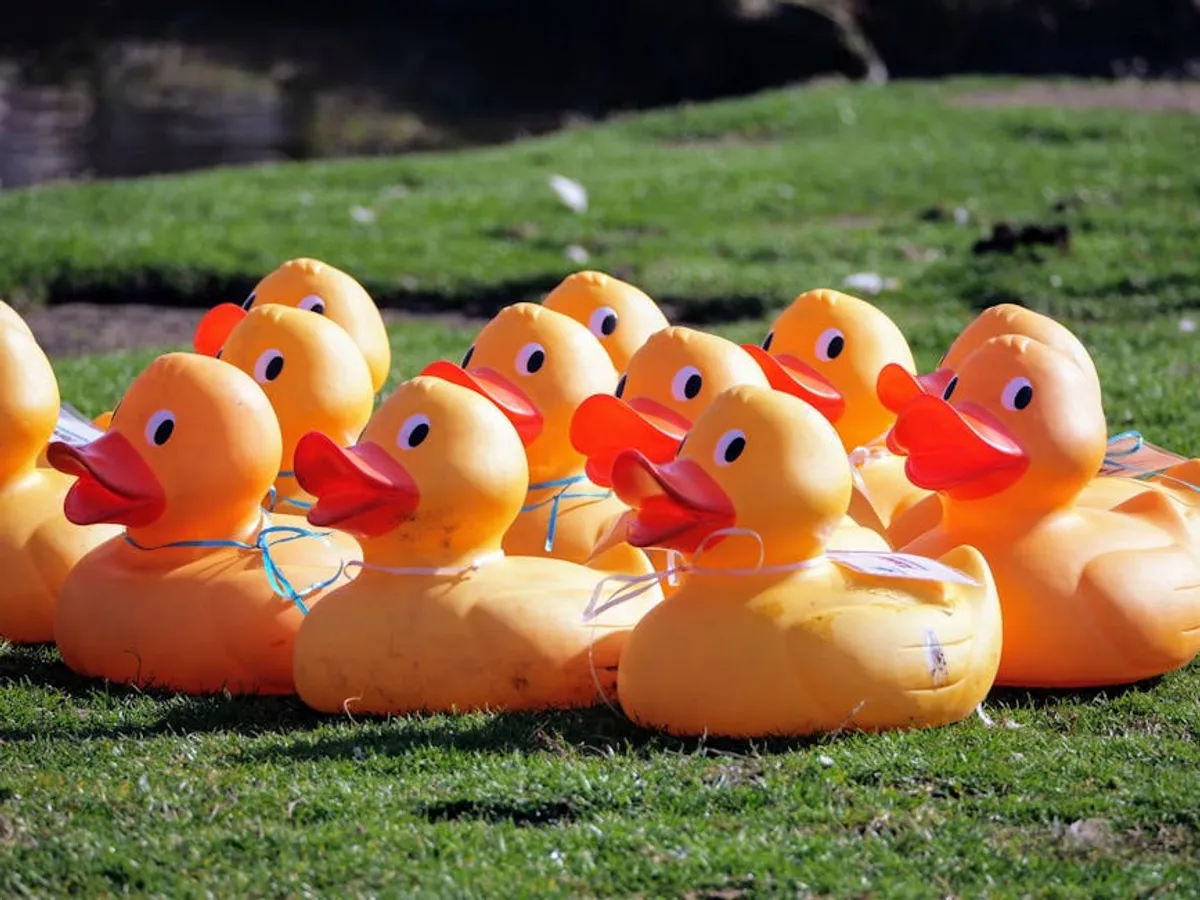
In the competitive landscape of digital content, capturing and retaining audience attention demands more than just factual information. Strategic use of humor, specifically wordplay like duck puns, can differentiate content, enhance brand personality, and significantly improve recall. This approach moves beyond simple entertainment, serving as a tactical tool for marketers, content creators, and brand strategists aiming to forge a stronger emotional connection with their audience.
Understanding Duck Puns: Definition and Appeal
Duck puns leverage the phonetic similarities or double meanings of words related to ducks to create humorous phrases. This form of wordplay relies on an audience's ability to recognize both the literal and implied meanings, generating an unexpected, often amusing, cognitive shift. The appeal stems from their inherent lightheartedness and accessibility; they rarely require deep cultural knowledge, making them broadly understandable.
Definition: A duck pun is a play on words that uses terms associated with ducks (e.g., "quack," "fowl," "waddle," "bill," "webbed," "ducky") or homophones that sound like these terms, to create a humorous or witty statement.
The commercial utility of duck puns lies in their capacity to make content memorable. Human brains are wired to remember novel and emotionally resonant information more effectively. A well-placed pun can act as a mnemonic device, associating a positive, light-hearted feeling with your brand or message. This can be particularly effective in social media campaigns, advertising taglines, or informal content formats where a conversational tone is desired.
Crafting Effective Duck Puns: Practical Examples
Creating impactful duck puns requires a blend of linguistic awareness and audience insight. The goal is clarity first, humor second. A pun that confuses rather than amuses fails its purpose. Effective puns often involve common phrases or idioms that can be subtly altered.
- "Let's get our ducks in a row for this campaign launch." (Using an idiom literally to refer to planning.)
- "Feeling a little bit 'fowl' today? Our coffee will perk you up!" (A play on 'foul' and 'fowl,' implying a bad mood and offering a solution.)
- "Don't ruffle my feathers, but this new product is a game-changer." (Adapting a duck-related idiom to express excitement or mild defiance.)
- "This report is just ducky!" (Using "ducky" as a positive adjective, implying everything is fine or excellent.)
- "Our new software helps you 'quack' the code of data analytics." (A direct phonetic pun on "crack" and "quack," linking the brand's solution to a duck sound.)
- "We're not winging it; our strategy is well-planned." (A subtle pun on bird wings and the idiom "winging it," suggesting preparedness.)
When developing these, consider the context. A pun in a formal press release might be out of place, but in a social media caption or an informal blog post, it can significantly boost engagement.
Pro Tip: Always test your puns with a small segment of your target audience before wide deployment. Humor is subjective, and what one group finds amusing, another might find confusing or even irritating. Ensure the pun aligns with your brand's established voice and doesn't overshadow the core message.
Expanding Beyond Duck Puns: Other Wordplay Strategies
While duck puns are specific, their underlying principles apply to broader wordplay techniques. Understanding these can diversify your humorous content strategy.
- Homophones: Words that sound alike but have different meanings (e.g., "sole" vs. "soul"). These are the backbone of many puns.
- Homographs: Words spelled alike but with different meanings and sometimes different pronunciations (e.g., "read" past vs. present). Less common for quick humor, but effective in nuanced content.
- Malapropisms: The mistaken use of a word in place of a similar-sounding one, often with unintentionally amusing effect (e.g., "electrical" instead of "electoral"). Can be used deliberately to create a quirky brand voice.
- Idiom Twists: Altering a common idiom to create a new, humorous meaning (e.g., "a blessing in disguise" becoming "a dressing in disguise" for a food brand).
- Alliteration & Assonance: Repetition of initial consonant sounds (alliteration) or vowel sounds (assonance) for rhythmic and memorable phrases (e.g., "phenomenal product presentation"). While not strictly puns, they enhance linguistic playfulness.
These techniques, like duck puns, can make content more engaging and shareable. The key is to select techniques that naturally fit your brand's narrative and communication channels.
Strategic Application of Duck Puns in Marketing
Integrating duck puns into a marketing strategy requires careful consideration of platform, audience, and objective. They are most effective when used sparingly and appropriately, rather than forced into every piece of content.
Social Media Campaigns: Short, punchy duck puns work well in tweets, Instagram captions, or Facebook posts to grab immediate attention and encourage shares. For example, a travel agency might post: "Ready to 'duck' out of town? Explore our latest deals!"
Email Subject Lines: A clever pun in a subject line can increase open rates by piquing curiosity. "Don't be a 'sitting duck,' these offers are flying fast!"
Ad Copy & Slogans: Memorable puns can form the basis of a unique selling proposition or a campaign slogan. A brand selling rain gear might use: "Stay 'duck' dry with our waterproof collection."
Content Marketing (Blogs, Articles): Within blog posts, puns can break up text, add personality, and make complex topics more approachable. They can also serve as engaging subheadings or call-to-action elements.
Product Naming & Branding: For certain niche products or playful brands, a duck-themed pun in the product name or description can create a strong, memorable identity. Consider a children's bath toy brand named "Quackers & Co."
The goal is to use humor as a bridge to your audience, making your brand more approachable and human. Overuse, however, can lead to diminishing returns or even irritation, so moderation is crucial.
Maximizing Engagement with Quack-tastic Content
To ensure your duck puns and other wordplay resonate, integrate them thoughtfully into your overall content strategy. Begin by defining your brand's humor threshold and identifying which platforms are most receptive to playful language. Analyze audience engagement metrics (likes, shares, comments) on content featuring humor versus more straightforward messaging to refine your approach. Experiment with different types of puns and wordplay, observing which ones generate the most positive response. Consistency in brand voice, even when employing humor, builds trust and recognition. Ultimately, the successful deployment of duck puns is about enhancing communication, not replacing it, by adding a layer of wit that entertains and informs simultaneously.
Frequently Asked Questions About Duck Puns
What makes a duck pun effective?
An effective duck pun is clear, relevant to the context, and genuinely amusing to the target audience, leveraging common duck-related terms or homophones without being overly complicated.
Can duck puns be used in professional settings?
Yes, but with caution. In professional settings like internal team communications or informal client updates, a well-placed, lighthearted duck pun can break the ice and build rapport, provided it aligns with the company culture and client relationship.
How often should I use duck puns in my content?
Moderation is key. Using duck puns sparingly ensures they remain fresh and impactful. Overuse can lead to them feeling forced or repetitive, diminishing their humorous effect and potentially annoying your audience.
What are the risks of using puns in marketing?
The primary risks include misinterpretation, alienating audiences who don't appreciate the humor, or the pun overshadowing the core message. Always ensure the pun is clear, relevant, and aligns with your brand's overall tone and values.