
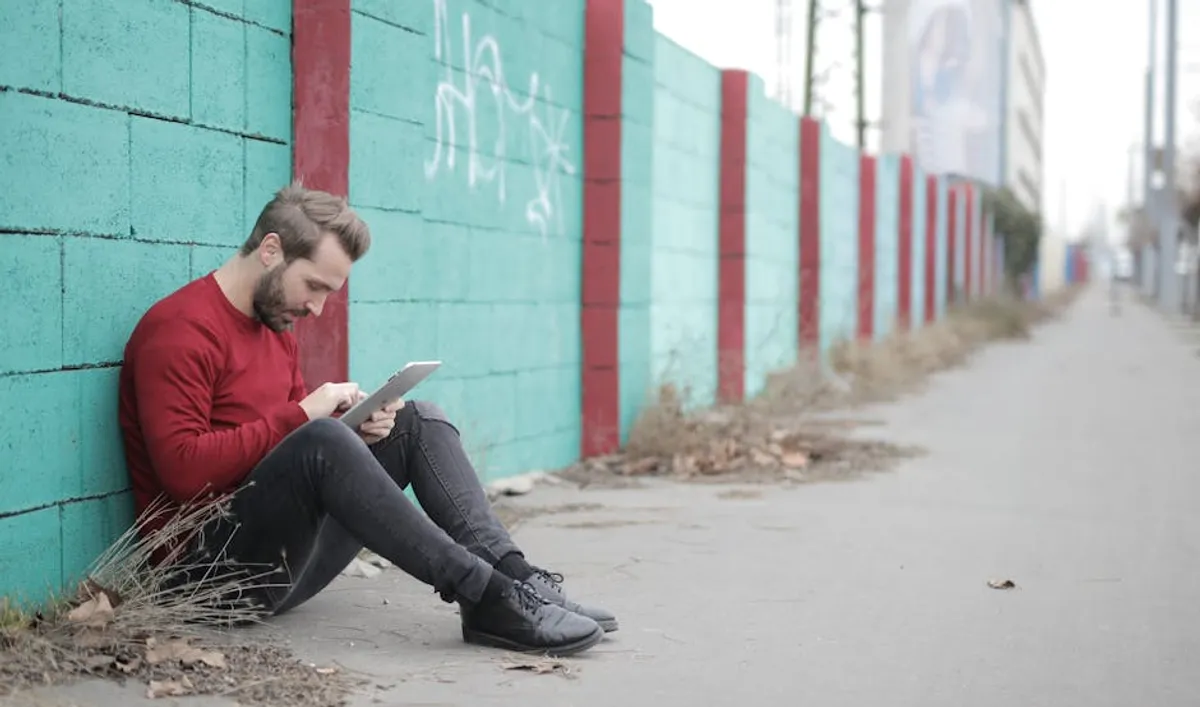
Crafting Instagram captions that resonate requires precision, especially when exploring nuanced themes like solitude. "Alone captions" are not merely about being physically by oneself; they represent a spectrum of emotional states, from profound self-reflection and empowering independence to serene peace and creative introspection. For content creators, brands, and individuals, strategically deployed alone captions can foster deeper connections, communicate authenticity, and differentiate content in a crowded digital space. This guide provides a framework for understanding, generating, and optimizing captions that leverage the power of solitude for authentic engagement.
Understanding the Nuance of "Alone" in Instagram Context
The term "alone" carries multiple connotations, and its use in an Instagram caption should align precisely with the intended message. Moving beyond a simple descriptor of physical presence, these captions often tap into universal human experiences of self-discovery, personal space, and inner peace. Recognizing these layers allows for more impactful communication.
- Self-Reflection and Growth: Captions in this category often accompany visuals of quiet contemplation, journaling, or moments of personal insight. They communicate a deliberate choice to step back, process thoughts, and emerge stronger. The commercial utility here lies in aligning with mindfulness, personal development, or wellness brands, showcasing products or services that support inner work.
- Independence and Empowerment: These captions celebrate autonomy, resilience, and the ability to thrive without constant external validation. They pair well with images of solo travel, achieving personal goals, or simply enjoying one's own company with confidence. For brands, this can align with themes of self-sufficiency, adventure, or breaking free from conventional norms.
- Peace and Mindfulness: Focusing on tranquility, quiet moments, and a break from the digital or social din, these captions evoke a sense of calm. Think nature scenes, cozy home environments, or moments of quiet enjoyment. This approach is valuable for brands in the wellness, home decor, or lifestyle sectors, promoting products that enhance peaceful living.
Crafting Effective Alone Captions: Practical Guidelines
The effectiveness of an alone caption hinges on its ability to evoke emotion and contextually enhance the visual content. Generic statements fall flat; specificity and genuine sentiment drive engagement.
Match Caption to Visual Content
The caption must serve as an extension of the image or video. A caption about peaceful solitude paired with a chaotic, busy visual creates dissonance. Conversely, a reflective caption with a serene landscape amplifies the message. Consider the visual's dominant mood, color palette, and subject matter to ensure seamless integration.
Define Your Emotional Tone
Decide if the caption aims for wistfulness, empowerment, serenity, or introspection. This clarity guides word choice, emoji selection, and overall phrasing. A caption that celebrates "my own company" differs significantly from one that acknowledges a "moment of quiet contemplation." The former conveys confidence; the latter, depth.
Incorporate Storytelling Elements
Even short captions can tell a micro-story. Instead of "Alone time," consider "Finding clarity in the quiet moments, a necessary pause." This adds context and invites the audience to imagine the experience. For brands, this translates into narrative-driven content that connects products to personal journeys.
Leverage Emojis and Hashtags Strategically
Emojis can quickly convey emotion or add visual interest (e.g., 🧘♀️ for peace, ✈️ for solo travel, 💡 for introspection). Hashtags extend reach and categorize content. Beyond broad terms like #alonetime, use specific hashtags that reflect the caption's deeper meaning, such as #solitudepower, #selfreflectionjourney, #independentspirit, or #mindfulmoments.
Pro Tip: When crafting captions about solitude, ensure the underlying message is one of intentional choice and empowerment, rather than isolation or sadness, unless that is the specific, deliberate intent. Audiences respond to authenticity, but a consistently melancholic tone can deter engagement. Frame solitude as a strength, a source of creativity, or a path to self-discovery to maintain a positive brand association.
Examples of Alone Captions for Instagram
These examples illustrate how to vary tone and focus for different expressions of being alone.
For Self-Empowerment and Independence
- "My own company, my own pace. Unapologetically me."
- "Building my empire, one quiet moment at a time."
- "Solo journey, endless possibilities. The best kind of freedom."
- "Comfortable in my solitude, confident in my path."
For Reflective and Peaceful Moments
- "The world quiets down, and my thoughts find their rhythm."
- "Finding peace in the pause. A necessary reset."
- "Just me and my thoughts, enjoying the stillness."
- "Listening to the whispers of my own soul."
For Embracing Solitude in Nature or Travel
- "Lost in nature, found in myself. Solo adventures are soul food."
- "Miles away, yet closer to home within. The beauty of solo travel."
- "The mountains and I, a perfect understanding."
- "Wandering alone, discovering everything."
Short and Punchy Options
- "Simply thriving."
- "My sanctuary."
- "Unburdened."
- "Just me."
Synonyms and Related Terms for Varied Expression
Expanding your vocabulary beyond "alone" allows for greater precision and avoids repetition, enriching your content's emotional depth. Each term carries a slightly different emphasis:
- Solitude: Implies a chosen state of being apart, often for reflection or peace. Use this when the intent is positive and deliberate.
- Independent: Focuses on self-reliance and not needing others for support or validation. Ideal for empowering narratives.
- Self-sufficient: Highlights the capability to manage one's own needs without external help. Good for demonstrating strength.
- Introspective: Emphasizes turning inward to examine one's thoughts and feelings. Suitable for deep, reflective posts.
- Tranquil/Peaceful: Directly conveys a state of calm and quiet. Best for serene visuals.
- Unburdened: Suggests freedom from worries or responsibilities, often achieved through being alone.
- Unattached: Can imply emotional or social detachment, but can also mean freedom from obligations. Use with care to ensure positive connotation.
- Singular/Solitary: More formal terms for being one of a kind or doing things by oneself. Can add a poetic touch.
Leveraging Solitude for Authentic Engagement
Strategic use of alone captions extends beyond personal expression; it's a method for cultivating a distinct brand voice and connecting with an audience that values depth and authenticity. By understanding the various interpretations of "alone" and applying them thoughtfully, content creators can craft narratives that resonate on a deeper level. This approach allows for the development of niche content, fostering a community around shared values of self-care, personal growth, and independent spirit. The goal is to transform a potentially isolating concept into a powerful tool for connection and self-expression, ultimately enhancing engagement and brand loyalty.
Frequently Asked Questions
What is the purpose of using "alone captions" on Instagram?
Alone captions serve to express various states of self-reflection, independence, peace, or personal growth, allowing individuals and brands to convey authenticity and connect with audiences on a deeper, more introspective level.
How can brands use alone captions effectively?
Brands can use alone captions to align with themes of self-care, mindfulness, personal development, or products that support solitary activities like reading, travel, or wellness, showcasing a connection to their audience's inner lives.
Should alone captions always be positive?
While often used to convey positive themes like empowerment or peace, alone captions can also reflect moments of genuine introspection or temporary quiet. The key is authenticity and ensuring the caption's tone matches the overall message and visual content.
What are some good alternatives to the word "alone" in captions?
Effective alternatives include "solitude," "independent," "self-sufficient," "introspective," "tranquil," and "peaceful," each offering a slightly different nuance to enrich the caption's meaning.