
Navigating the vast landscape of entertainment updates can feel like sifting through an endless stream. For readers, the challenge isn't finding information, but rather discerning reliable sources, filtering noise, and consuming relevant content efficiently without dedicating excessive time. This guide outlines practical approaches to streamline your access to entertainment news, ensuring you stay informed on your terms.
Identifying Credible Entertainment News Sources
The sheer volume of entertainment reporting necessitates a critical approach to source selection. Not all outlets prioritize accuracy or provide the depth required for informed engagement. Prioritizing sources with established editorial rigor ensures the updates you consume are grounded in fact and professional reporting standards.
Editorial Standards and Verification
Reputable entertainment news organizations adhere to journalistic principles, including fact-checking, source attribution, and corrections policies. Look for indicators of editorial oversight, such as clearly stated ethics guidelines, named authors, and a history of accurate reporting. Sites that frequently issue retractions or corrections without transparency, or those that rely heavily on anonymous, unverified claims, should be approached with caution. The consistency of their reporting across multiple stories provides a reliable benchmark for credibility.
Source Specialization
Consider the specialization of an outlet. General news sites might cover major entertainment stories, but dedicated entertainment publications often offer deeper insights, niche coverage, and expert analysis. A site focusing exclusively on film, for instance, typically provides more granular detail and industry perspective than a broad news aggregator. Tailoring your source list to include both general and specialized outlets ensures a comprehensive yet focused view of the entertainment landscape relevant to your interests.
Strategies for Efficient Information Consumption
Information overload is a common impediment to staying current. Implementing structured consumption strategies helps manage the flow, ensuring you capture essential updates without constant manual checking.
Curated Feeds and Aggregators
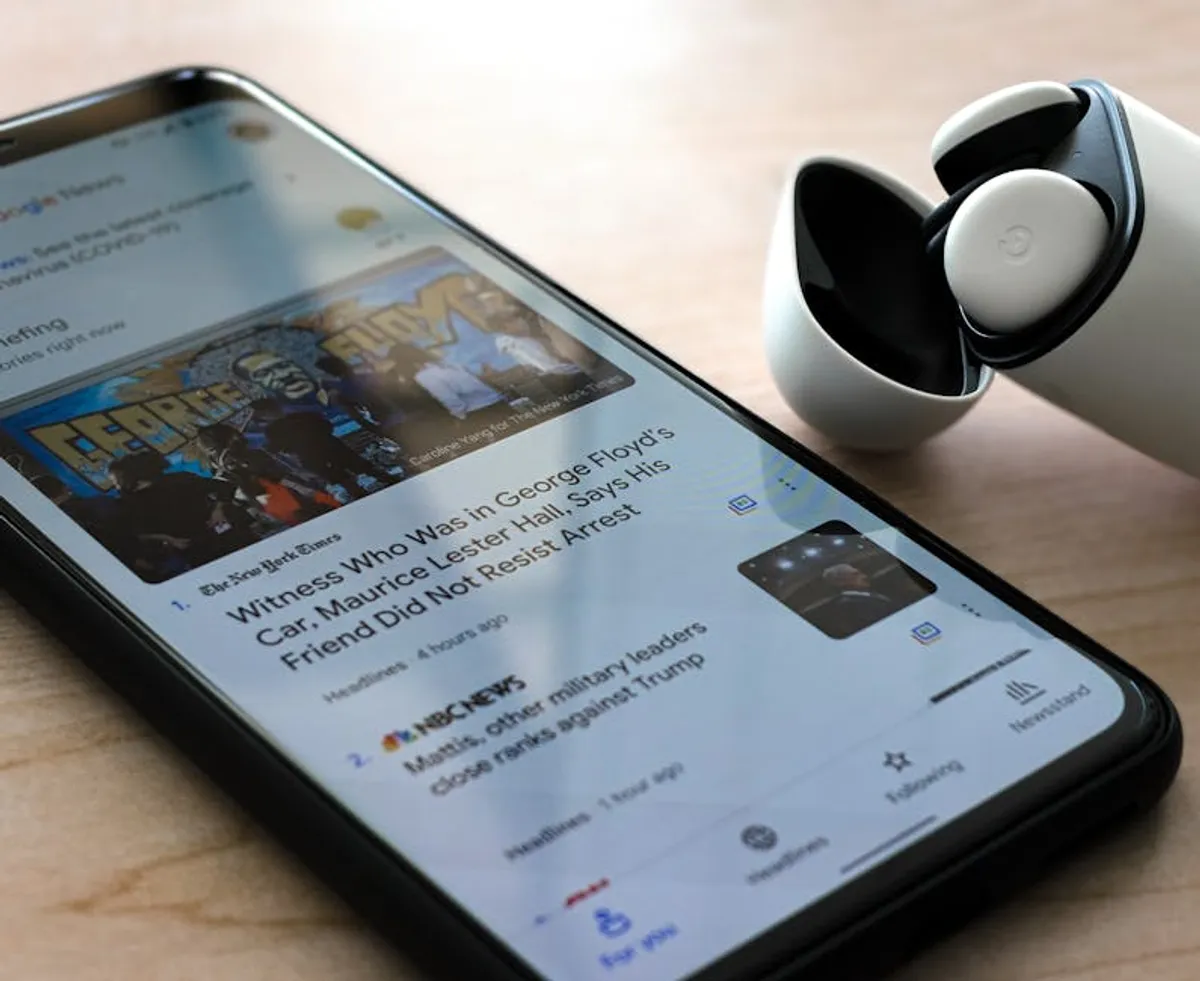
Utilize news aggregators or custom feed services that allow you to select specific topics, publications, or keywords. These platforms centralize content from various sources into a single, digestible stream, reducing the need to visit multiple websites. Many offer personalization features, learning your preferences over time to refine the content presented. This approach shifts the burden of discovery from you to an automated system, delivering a pre-filtered selection of updates.
Newsletter Subscriptions
Opt for newsletters from trusted entertainment outlets or industry experts. These typically provide a concise summary of the day's or week's most important stories, often with editorial commentary. Newsletters arrive directly in your inbox, making them a passive yet effective way to receive curated updates without actively seeking them out. Select newsletters that match your specific interests, whether it's film industry news, music releases, or gaming developments.
Pro Tip: Create a dedicated email folder or use an email filtering rule for all your newsletter subscriptions. This keeps your primary inbox clear while ensuring entertainment updates are easily accessible when you're ready to review them.
Social Media Filtering
Social media platforms can be valuable for real-time entertainment updates, but they also generate significant noise. To leverage them effectively, follow specific journalists, official studio accounts, verified artist profiles, and reputable news organizations. Utilize lists or custom feeds within platforms to segment your entertainment sources from general social interactions. Mute or unfollow accounts that frequently post irrelevant content to maintain a focused stream of information.
Understanding Update Types and Reader Intent
Not all entertainment updates serve the same purpose. Recognizing the different categories of content helps you prioritize what to read and when, aligning with your immediate information needs.
Breaking News vs. Deep Dives
Breaking news in entertainment often involves immediate announcements like casting decisions, release dates, or event cancellations. These are typically short, factual reports. Deep dives, conversely, offer extensive analysis, interviews, or investigative pieces that provide context and background. Understanding this distinction allows you to quickly scan headlines for urgent updates and save more comprehensive articles for dedicated reading time. Your intent—whether a quick check or a thorough understanding—should guide your consumption.
Opinion vs. Factual Reporting
Many entertainment sites feature opinion pieces, reviews, and commentary alongside factual news. While valuable for perspective, it's crucial to differentiate these from objective reporting. Factual reports present verifiable information, while opinion pieces offer subjective viewpoints. Identify clear labels such as "Opinion," "Review," or "Analysis" to ensure you're consuming content with the appropriate critical lens. Blurring these lines can lead to misinterpretations of industry events or artistic merit.
Building a Personalized Entertainment News Hub
Creating a centralized, customized system for your entertainment updates enhances efficiency and ensures you're consistently informed about topics that matter most to you.
Utilizing RSS and Custom Alerts
RSS (Really Simple Syndication) feeds remain an effective tool for aggregating content from specific websites. If a site offers an RSS feed, you can subscribe using a feed reader to receive new articles as they are published, without visiting the site directly. Additionally, set up custom alerts using search engines or specialized services for keywords related to your interests (e.g., "new album release [artist name]," "film festival news"). These alerts can notify you via email or push notification when new content matching your criteria appears online.
Engaging with Fan Communities
For niche interests, fan forums, dedicated subreddits, or Discord servers can be invaluable sources of highly specific and often real-time updates. These communities frequently share news, leaks, and discussions that might not be covered by mainstream outlets. While community-driven content requires a higher degree of personal verification due to varying editorial standards, it offers a direct pipeline to passionate enthusiasts who are often the first to discover and disseminate information within their specific domains.
- For film buffs: Follow industry trade publications and film festival news sites.
- For music enthusiasts: Subscribe to music blogs specializing in your preferred genres and artist newsletters.
- For gamers: Monitor official developer channels, reputable gaming news sites, and esports organizations.
- For TV series followers: Track official network announcements and dedicated fan wikis for episode details.
Optimizing Your Entertainment Update Flow
Effectively managing entertainment updates is about intentionality. Start by curating a core list of 5-7 highly credible sources that align with your primary interests. Supplement these with 2-3 specialized newsletters for deeper dives into specific niches. Dedicate a specific, brief window each day or every few days to review your aggregated feeds or newsletters, rather than reacting to every notification. Regularly audit your sources, removing those that no longer provide value or become too noisy. This disciplined approach transforms entertainment news consumption from a reactive chore into a controlled, informative process.
Frequently Asked Questions
How often should I check for entertainment updates?
The optimal frequency depends on your personal interest and the urgency of the topics. For general awareness, checking curated feeds or newsletters once daily or every few days is sufficient. For time-sensitive breaking news or live events, real-time alerts or social media monitoring may be necessary.
Can I rely solely on social media for entertainment news?
While social media offers real-time updates, relying solely on it can lead to fragmented information, echo chambers, and a higher risk of encountering unverified claims. It's best used as a supplementary tool, cross-referencing information with established news outlets.
What's the best way to avoid spoilers for movies or TV shows?
To avoid spoilers, exercise caution on social media and fan forums immediately after a release. Utilize browser extensions that can block keywords, or temporarily mute accounts known for posting spoilers. Consider consuming content as close to its release as possible to minimize exposure risk.
How do I discover new entertainment content beyond my usual interests?
Explore curated "discover" sections on streaming platforms, listen to podcasts that cover a broad range of entertainment, or follow critics and cultural commentators who offer diverse recommendations. Regularly reviewing "best of" lists from reputable publications can also introduce you to new artists, films, or shows.